Why AI Will Break the Traditional SEO Agency Model
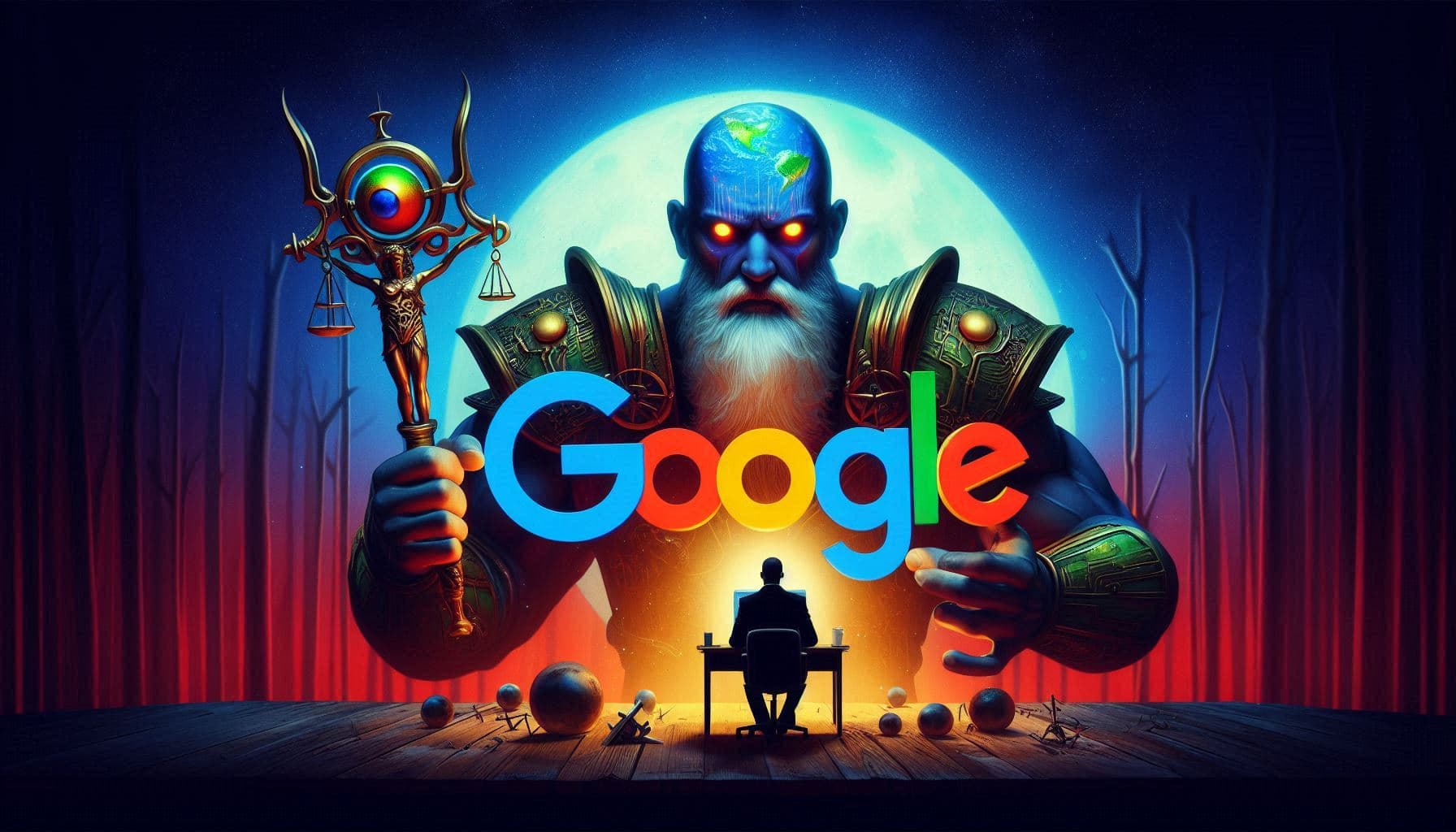
The SEO industry is undergoing a seismic shift. Traditional SEO agencies—once the go-to partners for businesses seeking online visibility—are now facing an existential threat: AI-driven SEO solutions. As search engines evolve and user expectations shift, AI is poised to disrupt outdated practices, rendering legacy agency models obsolete. Let’s explore why.
1. Traditional SEO Agencies Rely on Manual, Time-Consuming Processes.
Traditional agencies depend on labor-intensive tactics like manual technical audits, keyword stuffing, and backlink purchasing. These methods are not only slow but often fail to adapt to real-time algorithm changes. For small-to-medium businesses (SMBs), this approach is costly and inefficient, yielding inconsistent results.
AI, on the other hand, automates data analysis, identifies technical issues instantly, and optimizes content dynamically. Tools like generative AI can produce SEO-friendly blogs, meta descriptions, and even entire web pages in minutes—tasks that once took agencies weeks.
2. AI Prioritizes User Intent Over Keyword Matching
Search engines now prioritize user intent and contextual relevance, thanks to AI-powered algorithms like Google’s RankBrain. Traditional agencies, focused on rigid keyword strategies, struggle to align with this shift.
AI models analyze search behavior, semantic relationships, and user engagement metrics to optimize content for intent. This means AI-driven SEO doesn’t just target keywords—it crafts content that answers questions users actually ask.
3. Scalability: Programmatic SEO vs. Manual Efforts
Traditional agencies scale linearly: more clients mean more hours spent on audits, content, and reporting. AI enables programmatic SEO, where thousands of landing pages can be generated and optimized automatically based on data trends. For example, e-commerce sites can now create location-specific or product-focused pages at scale without human intervention.
4. Data-Driven Decisions Replace Guesswork
Legacy SEO agencies often rely on guesswork or outdated best practices. AI models process vast datasets—from search trends to competitor strategies—to deliver actionable insights. Businesses can now predict ranking opportunities, track real-time performance, and adjust strategies on the fly.
5. The Rise of Self-Serve and À La Carte Models
Traditional agencies bundle services into pricey, one-size-fits-all packages. AI empowers businesses to adopt à la carte SEO, choosing tools for specific tasks like content optimization, backlink analysis, or technical fixes. This democratizes SEO, making it accessible to SMBs without six-figure retainers.
What’s Next? The AI-First SEO Agency
The future belongs to agencies that integrate AI into their core operations. These “AI SEO agents” will:
- Automate repetitive tasks (e.g., keyword research, reporting).
- Use predictive analytics to forecast trends.
- Personalize strategies using user behavior data.
Businesses that embrace AI will outpace competitors stuck in the past.
Conclusion
The traditional SEO agency model is broken—and AI is the wrecking ball. By automating workflows, prioritizing user intent, and enabling scalability, AI makes outdated practices irrelevant. For businesses, this means better results at lower costs. For agencies, it’s a wake-up call: adapt to AI or risk extinction.
Ready to future-proof your SEO strategy? Explore AI tools to stay ahead of the curve.
Keyword focus: AI SEO, traditional SEO agencies, SEO automation, programmatic SEO, and user intent optimization.
About the author

Rajat Kashyap
Author at ReadTheRise. Passionate about sharing knowledge and insights with readers.